Player development
Built around how your team plays and what each player needs, from the off-season through February.
I work with professional hockey clubs on two things: how the club develops players, and how performance and medical work within one system.
Friday, 18:45
Often it is not effort or knowledge. Look at what reaches your head coach an hour before the game: the physio, the strength coach, the player and the ice-time numbers each give an honest reading, and nobody agreed in advance which one carries more weight when they pull apart. Four readings, instead of one clear picture. The head coach makes the call from what he has been handed. If it goes wrong, the questions come back to you.
Most clubs have good specialists, but the work between them often has no clear owner. I build the club’s performance system, keep it working and connect the people who run it.
Built from the players you actually have and what testing tells us. Rebuilt where it needs to be, adjusted where it already works.
Built around how your team plays and what each player needs, from the off-season through February.
One picture of each player, one progression from treatment to games.
Back to game speed, not only to cleared.
Prehab, rehab and physical development connected around one plan for each player.
35
years in elite sport7
seasons as Head of Performance and Medical, Brynäs IFAlmost 20
years of performance development in professional hockeySince 2000
strength coach to Olympic athletesWhen performance drops, the first look usually goes to strength and conditioning, or to how the strength coach and the physio communicate. Both matter, but neither is the whole picture. Movement, recovery, nutrition and mindset all shape how a player develops, and player health decides what the player is available to express. In many clubs, these lines work from methods that were never built to fit together.
Movement, recovery, nutrition and mindset, connected to what the game asks of each player. Every player understands the why behind the what.
Prevention, treatment, rehab and return to performance, until the player is back in his role at game speed.
Role, position, style of play, practice and games. All three lines inform the same decisions about each player.
One plan for each player, not one answer from each specialist.
How the system works





For seven seasons I was Head of Performance and Medical at Brynäs IF, through wins and losses, and I learned that a staff needs something different after each. I have also been the person in the room saying rest him. He played, and he was out for a month after that game. Being right is not enough if nobody has agreed beforehand how the decision will be made. Today I work with professional clubs on site or remotely, in Swedish or English.
What I stand for
I have spent more than 30 years studying strength, speed, rehabilitation, movement and recovery, across schools of thought that do not always agree. That gives me options, and a common language with strength coaches, therapists and doctors. What goes into a player’s plan still has to fit the evidence, the game, the player and the people around him. What matters is knowing why I use something, with this player, now.
Performance coaching and programming
Movement and assessment
Rehabilitation and manual therapy
Broader performance education
More than 30 years in the trenches have been the best education, through every interaction with great coaches and athletes.
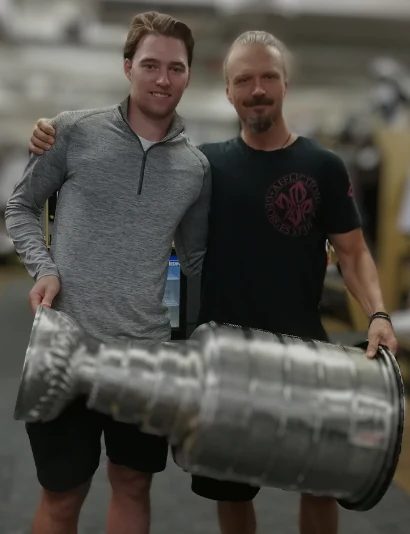
The injury is better. The player is not back.
“He took charge of my rehab, pushed and motivated me every day. Against all odds I played 7 months later.”
You tell me what you are seeing. NDA on request.
Staff, player pathways, testing, training and games. Nothing is prescribed before the system is understood.
And choose the way in, from the three below.
Across the best leagues, more clubs now give performance one framework and one person who owns it. Players and their agents notice it too. There are three ways in, from full to light.
I lead player development and health from inside the club, with the mandate written down first.
I build the framework, the methods and the way decisions are made, with the people you already have. For at least a season, until the club owns it.
Your staff build and run it. I work with the people who lead it, so the system grows from inside the club.
The working rhythm is written into the mandate before we start: time on site, remote reviews, who I report to and who decides what.
Not every club needs a full change.
Get in touchHe is always up to date and well read in his area of expertise, which makes you feel a great deal of trust in him.
 Tommy JonssonFormer head coach, Swedish champion with Brynäs IF
He is one of the most knowledgeable strength and conditioning coaches I have had the privilege of working with during my 15 years as a professional hockey player.
 Kevin ClarkPro Scout, Columbus Blue Jackets, former professional player
During my time with Brynäs I experienced firsthand his deep understanding of sports performance. He is dedicated to tailoring his approach to every individual.
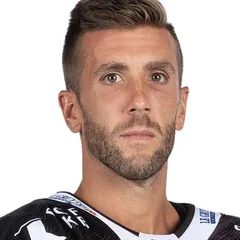 Ryan GundersonHockey consultant, retired professional, Swiss NL
I always felt like he truly cared about my well-being.
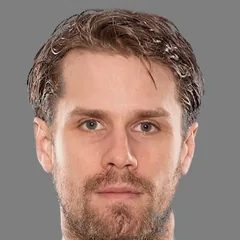 Jonathan SigaletHockey Development Coach, retired NHL player
Magnus always pushes himself to further his knowledge, to evolve himself and the players.
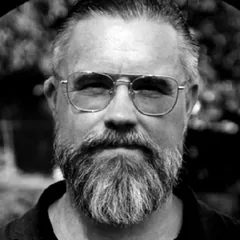 Johan StarkFormer General Secretary, Swedish Ice Hockey Association
The clubs I work with stay confidential.
Players available. Returns that hold. Development that continues. A way of working that stays when people change.
A good autumn is common. February tells you whether the work holds.
Professional clubs, one club at a time. Names stay in the club, so you will not find a client list here.
No. I keep your names and numbers to myself, and keep learning from everything else. What I bring from one club to the next is what I learned, never what I was told.
At least one season. Staff and players need time to learn a new system and a new voice, so I promise no quick fix. If I take the seat and lead full time, it is a longer commitment. The scope depends on whether I take the seat, build the system with your staff or mentor them. Scope and cost are agreed in writing before any work starts. The first conversation is without charge.
The head coach owns team decisions. The sporting director or GM owns the mandate. Within that mandate, responsibilities are clear before we start: who decides, who advises, what needs agreement and what happens when views differ.
No. In the clubs I see, the expertise is usually there and the readings are honest. What is missing is an agreed way to weigh them, and a system connecting the specialists, their information and their decisions. I start with the people you already have. Roles only change if the club and the work require it.
Often the testing looks better than the hockey. I start with what the club already does and follow it to the ice: which work shows in games and which does not. Then we rebuild what needs rebuilding and adjust what already works.
What you are seeing, who is involved and what you would like to change. A few lines are enough. I read every message myself.
Before more work goes into the week, somebody has to read what the week is already producing.
LinkedInWhat decays across a season, what waits, and why clubs often protect the wrong one.
LinkedInThe question after practice can decide whether the season stays proactive or becomes a series of reactions.
LinkedInThe High-Performance Human: ten decisions, a free brief (PDF)